
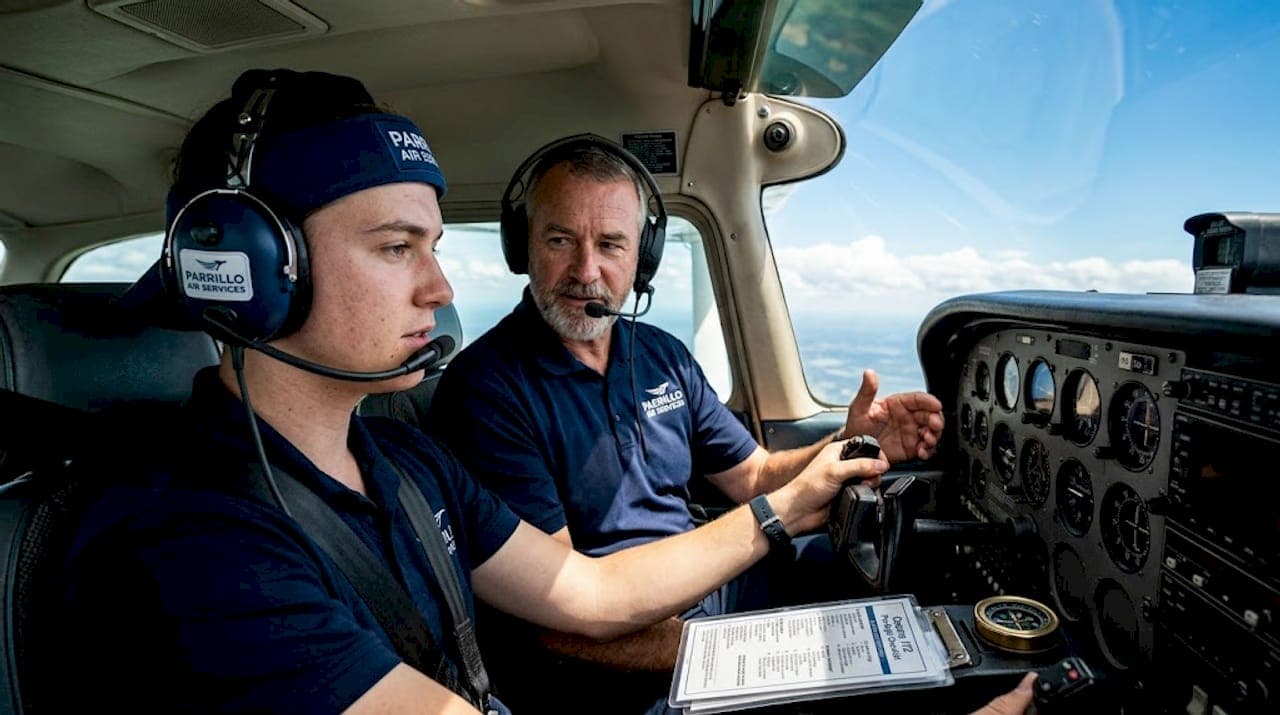
How do you know if becoming a pilot is the right move before you spend thousands of dollars and hundreds of hours in training? That question stops a lot of aspiring aviators in their tracks. The answer isn't more research or more YouTube videos. It's a discovery flight. A short, hands-on session with a certified instructor puts you in the cockpit of a real aircraft, gives you the controls, and lets you feel what flying actually is. This article breaks down exactly what discovery flights involve, why they work, and how to decide if one is the right first step for you.
Table of Contents
- What is a discovery flight?
- Five key benefits of a discovery flight
- How discovery flights compare to other aviation introductions
- Is a discovery flight right for you? Criteria to consider
- Why real flight experience beats theory for beginners
- Ready to take off? Next steps for aspiring Virginia pilots
- Frequently asked questions
Key Takeaways
| Point | Details |
|---|---|
| Low-commitment trial | Discovery flights let you experience aviation firsthand before making a big investment. |
| Hands-on learning | Beginners get to handle real controls, going beyond a simple sightseeing ride. |
| Informed decision-making | A discovery flight helps future pilots assess if flying is the right fit for them. |
| Structured safety experience | With an instructor, you learn safe aviation practices from the very start. |
| Virginia-specific options | Local flight schools like Parrillo Air Services offer tailored discovery packages. |
What is a discovery flight?
A discovery flight is a short introductory flying session conducted with a certified flight instructor (CFI). It is designed specifically for people who have never flown before or who are seriously considering pilot training but haven't committed yet. Think of it as a test drive, except instead of a car dealership parking lot, you're a few thousand feet above Virginia.
A typical discovery flight follows a clear structure:
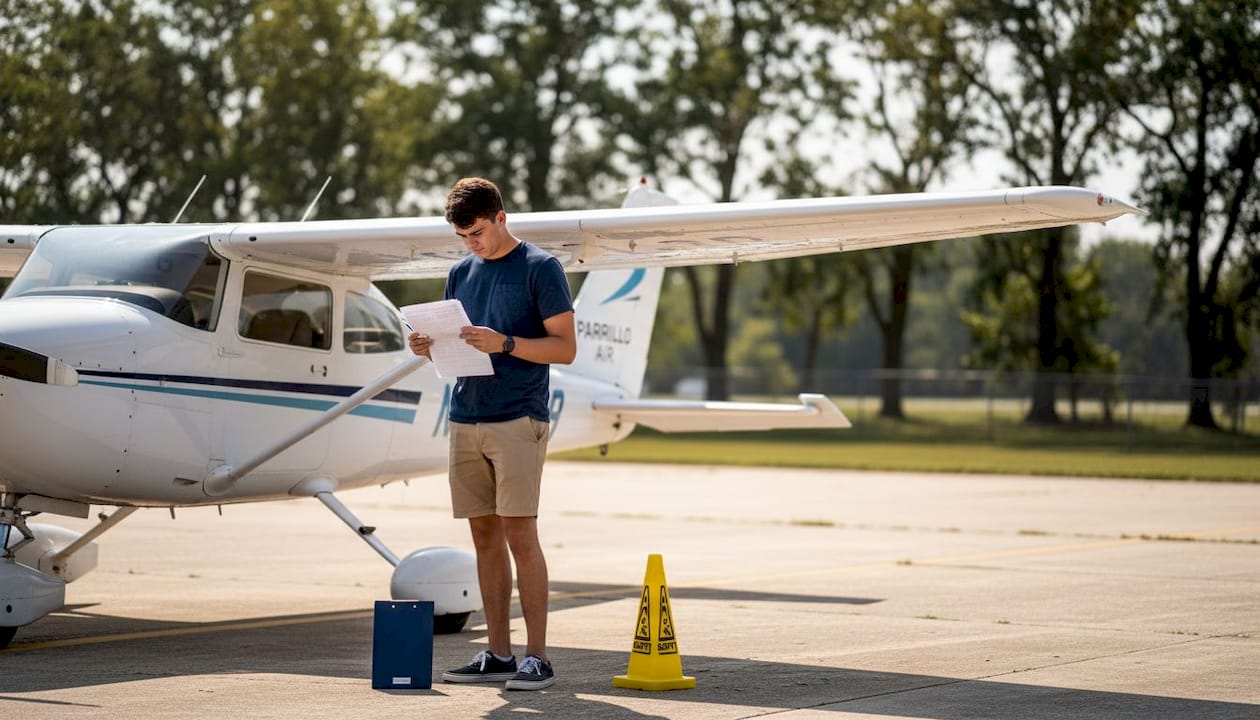
- Pre-flight briefing: Your instructor walks you through the aircraft, explains the controls, and covers basic safety procedures before you ever leave the ground.
- Takeoff and climb: The instructor handles the most complex moments while you observe and begin to feel the aircraft's response.
- Hands-on flying: You take the controls for basic maneuvers. Gentle turns, climbs, and descents. Real inputs on a real aircraft.
- Landing: The instructor takes over for landing, though some students get to assist depending on comfort level.
- Debrief: You talk through what you experienced, ask questions, and get a clear picture of what full training would look like.
Discovery flights are open to anyone. No prior experience, no medical certificate, no special knowledge required. They are modeled after programs like the EAA Young Eagles program, which has given over 2.3 million youth their first aviation experience. The structure is intentional: it builds confidence, reduces anxiety, and gives beginners a real taste of what learning to fly involves.
Our flight training overview at Parrillo Air Services explains what the full journey looks like from that very first flight to earning your private pilot certificate and beyond.
Pro Tip: Ask your instructor to explain every step during the flight, not just what they're doing, but why. Understanding the reasoning behind each action helps you see both the excitement and the responsibility that comes with being a pilot.
Five key benefits of a discovery flight
With the basics of what a discovery flight is in mind, let's get specific about the tangible benefits you stand to gain. These aren't abstract selling points. They are real, practical outcomes that beginners consistently report after their first time in the cockpit.
-
You experience the actual feel of flight. Reading about lift and thrust is one thing. Feeling the aircraft respond to your inputs is something completely different. The sensation of climbing, banking, and leveling off is something no book or video can replicate. Many students describe this as the moment aviation stops being a concept and becomes a calling.
-
You test your comfort level before investing further. Flight training is a meaningful financial commitment. A discovery flight lets you gauge your genuine interest and physical comfort before you write a single check for a full program. Some people discover they love it more than they expected. Others realize it's not for them. Both outcomes are valuable.
-
You get real hands-on time at the controls. This is not a sightseeing ride. You are actively flying the aircraft under the guidance of your instructor. That hands-on time is irreplaceable for understanding what the learning curve actually feels like.
-
You receive a real pilot's safety briefing. Before you leave the ground, your instructor covers emergency procedures, communication basics, and how to read the aircraft's instruments. This gives you an honest picture of the knowledge and discipline that professional piloting requires.
-
You can ask every question you have about training, certification, and aviation careers. Your instructor is a working pilot and educator. This is your chance to ask about timelines, costs, ratings, and what a career path to the airlines actually looks like from someone who knows.
As aviation educators consistently observe, structured first exposure builds both confidence and excitement for future training. Discovery flights, much like the Young Eagles program, offer a structured and safe first introduction to aviation for new participants, removing the intimidation factor and replacing it with informed enthusiasm.
If you're ready to explore what a full program looks like, our Virginia flight school page gives you a detailed look at everything from private pilot training to commercial certifications.
How discovery flights compare to other aviation introductions
Beyond the five main benefits, you may be weighing discovery flights against other introductory aviation options. Here's how they stack up.
| Feature | Discovery flight | Simulator session | EAA Young Eagles |
|---|---|---|---|
| Real aircraft | Yes | No | Yes |
| Hands-on controls | Yes | Yes (simulated) | Limited |
| Certified instructor | Yes | Varies | Yes |
| Available to adults | Yes | Yes | No (youth only) |
| Counts toward license hours | Yes | No | No |
| Career pathway discussion | Yes | Rarely | No |
| Real-world sensations | Yes | No | Limited |
The table makes the differences clear. Simulator sessions have real value later in training, especially for instrument practice, but they cannot replicate the physical experience of being in the air. The vestibular sensations (the way your body feels during a bank or a climb) are absent in a simulator. That matters when you're trying to decide if flying is right for you.
Ground school seminars and online courses are excellent supplements once you've committed to training. But as a first exposure? They're theory without context. You're learning rules for an experience you haven't had yet.
Youth programs like EAA Young Eagles are genuinely valuable. Over 2.3 million youth have participated in their first flight through EAA's Young Eagles, showcasing the value of structured introductory experiences. But these programs are designed for young people and are not tailored for adults considering a career change or a professional aviation path.
A discovery flight fills that exact gap. It's designed for adults, structured around career awareness, and conducted by instructors who can speak directly to your goals.
Some additional advantages worth noting:
- Discovery flights are typically affordable, ranging from $100 to $250 depending on the school and aircraft.
- The flight time you log counts toward your required hours for a pilot certificate.
- You leave with a concrete sense of the training process, not just a vague impression of what flying feels like.
For a full breakdown of your options, visit our learning to fly in Virginia page.
Is a discovery flight right for you? Criteria to consider
After breaking down the options and comparisons, the next step is deciding if a discovery flight fits your personal goals. Here's a practical way to think through it.
Who benefits most from a discovery flight:
- First-timers with zero aviation experience who want to know if flying is for them
- Career switchers considering aviation as a second profession
- People who feel hesitant or anxious about committing to a full training program
- Anyone who has always been curious about flying but never acted on it
- Adults who missed youth aviation programs and want a structured first exposure
What to look for in a flight school's discovery package:
- Instructor credentials: Is the CFI experienced? Do they have real-world flight experience beyond instruction?
- Aircraft type: Are you flying in a well-maintained, modern training aircraft?
- Time in the air: A quality discovery flight gives you meaningful time at the controls, not just a quick lap around the pattern.
- Post-flight debrief: Does the school take time to answer your questions and walk you through next steps?
- Transparent pricing: Are there hidden fees, or is the cost straightforward?
Local factors for Virginia-based beginners:
| Factor | What to look for |
|---|---|
| Airport access | Proximity to a controlled or uncontrolled field with good training airspace |
| School reputation | FAA Part 61 or Part 141 certification, instructor experience |
| Training aircraft | Availability and maintenance record |
| Scheduling flexibility | Can you train around a work schedule? |
| Career pathway support | Does the school prepare students for airline careers? |
Structured introductory flights have proven effective for over two million participants, underscoring the value for those on the fence about a career in aviation. The data is consistent: people who experience flight firsthand are far more likely to make a clear, confident decision about whether to pursue training.
Our flight training options page covers the full range of certifications available, and if you're ready to start thinking seriously, beginning your journey is a great next read.
Pro Tip: Take notes immediately after your discovery flight. Write down what surprised you, what excited you, and what made you nervous. First impressions carry a lot of honest data about whether this path is right for you, and those feelings fade quickly if you don't capture them.
Why real flight experience beats theory for beginners
Here's an honest take that most aviation articles won't give you: no amount of simulator time, ground school, or YouTube content will tell you whether you should become a pilot. Only being in the air will do that.
We've seen students arrive at Parrillo Air Services convinced they would love flying after hours of research, only to discover that the real thing was more intense than they expected. We've also seen people who were deeply uncertain walk off the ramp after a discovery flight with complete clarity and a fire to start training immediately. Both outcomes are exactly what a discovery flight is supposed to produce.
The aviation world sometimes oversells simulation as a near-equivalent to real flight. It isn't. Not for beginners. Simulators are powerful tools for instrument training and procedure review once you already understand what flying feels like. But for someone deciding whether to invest in a pilot career, a simulator session is like test-driving a car on a screen. The information is incomplete.
There's also an emotional truth here that doesn't get discussed enough. Most working pilots can point to a single moment, usually their first real flight, as the experience that made the decision for them. Not a class. Not a book. A moment in the air. That's not nostalgia. That's how human motivation actually works. We commit to things we've felt, not just things we've read about.
The discomfort some beginners feel during a discovery flight is also valuable data. If turbulence or the sensation of banking makes you deeply uncomfortable, that's worth knowing before you invest in full training. Better to learn that early than after spending significant money and time. A good instructor won't push you past your limits. They'll help you understand what you're feeling and whether it's normal adjustment or a genuine signal that flying isn't your path.
From our experience, the students who thrive in training are almost always the ones who took a discovery flight first. They arrive with realistic expectations, genuine enthusiasm, and a clear sense of why they're doing it. That foundation makes everything that follows more effective.
Explore more about our approach to pilot training insights and how we build that foundation from day one.
Ready to take off? Next steps for aspiring Virginia pilots
If everything you've read here resonates, the next move is simple. Book a discovery flight and find out for yourself.

At Parrillo Air Services, our discovery flight options are designed to give you a genuine, hands-on introduction to aviation with an experienced FAA-certified instructor. You'll get time at the controls, a full pre-flight briefing, and a real conversation about what your training path could look like. Our certified flight school in Lynchburg, VA offers everything from that first introductory flight through private pilot, instrument, commercial, and flight instructor ratings. Come tour our facility, speak with our instructors, and see exactly what your aviation future could look like. The first step is just one flight away.
Frequently asked questions
How much does a discovery flight typically cost in Virginia?
Discovery flights usually range from $100 to $250 depending on location, aircraft, and length of flight. Most schools include instructor time and a pre-flight briefing in that price.
Do I need any prior experience or medical certification to try a discovery flight?
No prior experience or medical certificate is needed. Discovery flights are open to all beginners, and your instructor handles anything beyond your current ability.
Can I log flight time from a discovery flight toward a pilot's license?
Yes, flight time with a certified instructor during your discovery flight can count toward the total required hours for a pilot license, making it a productive investment from the very start.
What age do you need to be for a discovery flight?
Discovery flights for aspiring adult pilots typically require participants to be at least 16, though some schools may accept younger teens with parental permission and instructor approval.
Are programs like EAA Young Eagles equivalent to discovery flights for adults?
No. The EAA Young Eagles program offers youth introductory flights and is an excellent program, but it is designed specifically for young people. Discovery flights for adults are structured around career goals and personal decision-making in a way that youth programs are not.