
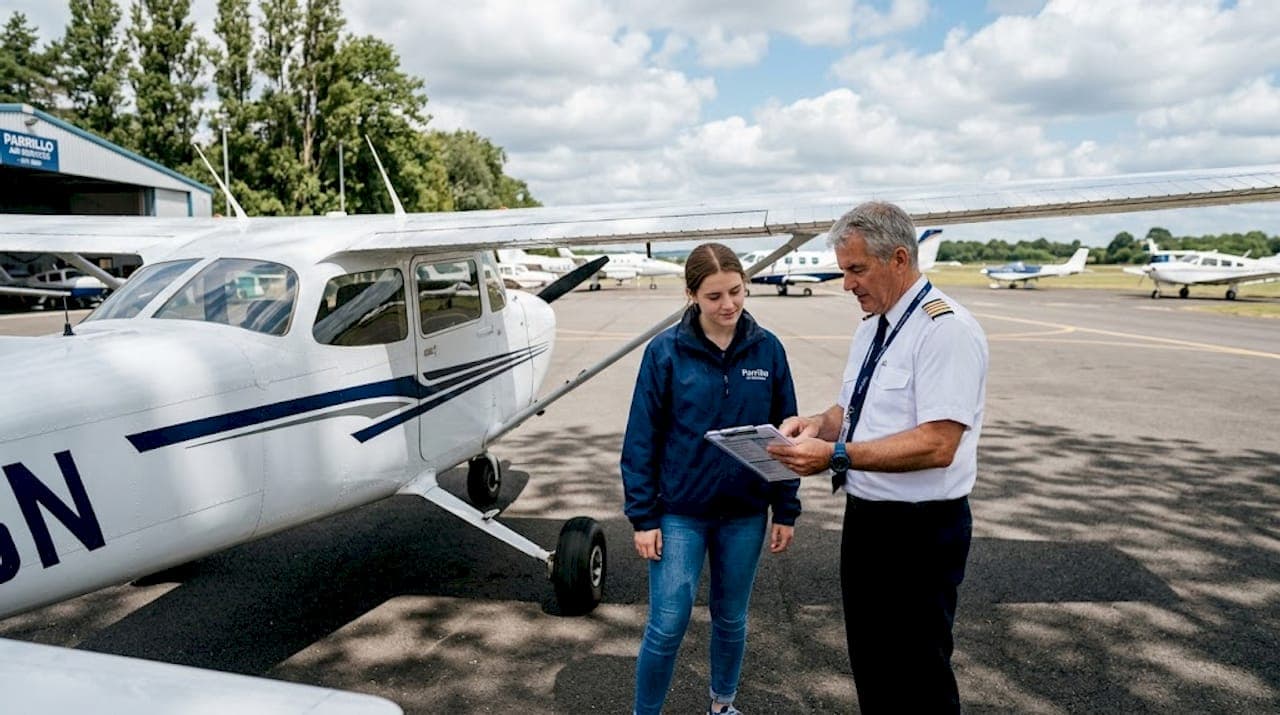
Most people assume an introductory flight lesson is just a scenic ride where you sit back and watch the ground shrink beneath you. That assumption sells the experience far short. A what is introductory flight lesson question is really a question about your readiness to become a pilot. This first flying lesson is a structured mini-session where you handle controls, inspect the aircraft, and begin to understand how pilots think before a single wheel leaves the runway. If you have ever wondered how to start flying, this is where that journey begins.
Table of Contents
- What is an introductory flight lesson?
- What to expect during your introductory flight lesson
- Common beginner challenges during an introductory flight and how instructors help
- How introductory flights fit into the pilot certification journey
- Making the most of your introductory flight lesson: practical tips and preparation
- Why an introductory flight lesson is more than a trial — it's your gateway to flying
- Explore introductory flight lessons and training at Parrillo Air Services
- Frequently asked questions
Key Takeaways
| Point | Details |
|---|---|
| Introductory lesson defined | An introductory flight lesson is an informal mini-training, not formal pilot certification training. |
| Structured experience | These lessons include preflight checks, basic flying skills, and initial radio communications guided by your instructor. |
| Overcoming anxiety | Instructors manage complex tasks like radio communication at first to ease beginner nerves. |
| Step toward licensing | Introductory flights help you decide if formal flight training and certification are right for you. |
| Preparation helps | Research and preparation will maximize your comfort and learning during the flight lesson. |
What is an introductory flight lesson?
An introductory flight lesson, sometimes called a discovery flight or trial flight, is a short, structured flying session designed to give you a genuine taste of what pilot training feels like. It is not a joyride. It is also not a formal training flight that counts toward a pilot certificate. Think of it as a flight lesson overview compressed into one session, covering real skills and real procedures.
What makes this important to understand is the distinction between an introductory experience and formal beginner flight training. When you commit to earning a student pilot certificate and begin a structured program, you enter a regulated process. FAA eligibility requirements for student pilots include minimum age thresholds and English language proficiency. An introductory flight carries none of those gatekeeping requirements. Anyone curious about flying can book one.
Here is what sets the introductory flight apart from a casual airplane ride:
- You participate actively, not passively
- You handle the controls for portions of the flight
- You follow a real preflight inspection checklist alongside your instructor
- You learn why each step in the cockpit matters, not just what to press
- You get an honest, firsthand feel for whether flight training programs are right for you
The intro flight course is a no-commitment way to gather real data about your own interest and capability before investing time and money into full certification.
What to expect during your introductory flight lesson
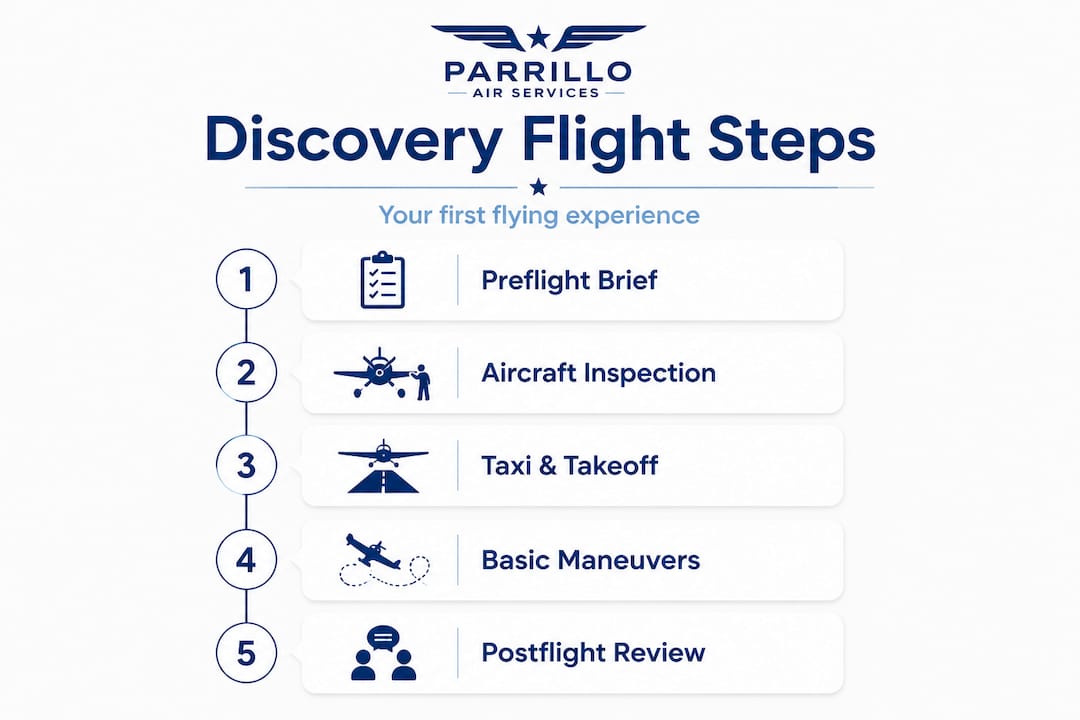
Walking into your first flying lesson without knowing what comes next adds unnecessary stress. Here is a clear, step-by-step picture of how a typical introductory flight unfolds.
Before you ever sit in the cockpit, your instructor runs a preflight briefing. This covers the aircraft you will fly, the airspace around your local airport, safety procedures, and what you will actually do during the lesson. This is also your first taste of how pilots think: methodically and with purpose.
Next comes the preflight inspection, which involves walking around the aircraft and working through a physical checklist. You check fuel levels, control surfaces, tires, and dozens of other items. It sounds technical, and it is, but your instructor walks you through every item and explains why it matters.
Once you are in the cockpit, you will:
- Learn how to set up and adjust your seat and controls for safe operation
- Practice taxiing (moving the aircraft on the ground) to get a feel for rudder pedal steering
- Listen to your instructor handle initial radio calls to air traffic control (ATC)
- Try straight-and-level flight once airborne, which means maintaining altitude and heading
- Attempt a gentle turn or two under close instructor supervision
- Potentially assist with or observe the landing sequence
The benefits of discovery flights become obvious once you realize how much happens before the wheels leave the ground. A good instructor tailors the pace entirely to your comfort level. If you are thriving, they push further. If something feels overwhelming, they back off without judgment.
Pro Tip: Do not worry at all about radio communication on your first lesson. The language pilots use with ATC sounds like a foreign language at first. Your instructor handles it completely while you observe. That skill builds naturally over time.
Common beginner challenges during an introductory flight and how instructors help
Every first-time flyer encounters surprises. Knowing about them ahead of time takes most of the sting away.
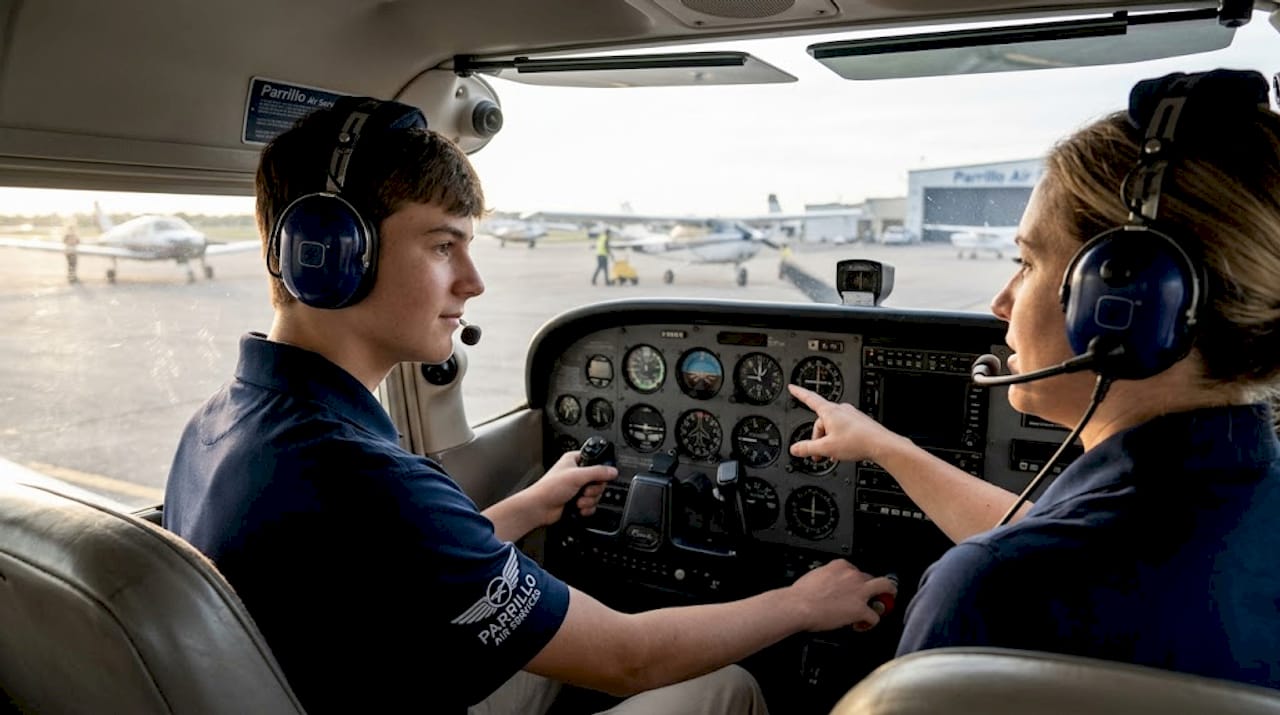
Radio communication tops the anxiety list for almost every new student. ATC communication anxiety is so universal that experienced instructors factor it into every introductory lesson. The calls sound rapid, filled with numbers and abbreviations, and they require an immediate and correct response. Your instructor takes over completely at first and lets you simply listen.
Taxiing on the ground catches many beginners off guard. Unlike driving a car, an airplane steers on the ground primarily with your feet, through rudder pedals, not the yoke (the control wheel). Coordinating feet and hands simultaneously takes practice that most people have never done before.
Here is a realistic look at common beginner challenges:
- Controlling heading (direction) while keeping altitude steady
- Interpreting the instrument panel without feeling overloaded
- Trusting your body's sense of balance when it conflicts with what the instruments say
- Staying calm when the aircraft reacts to turbulence (minor bumps in the air)
"Your instructor will handle the communication initially, but you'll soon learn this essential skill."
The key thing to remember is that none of these challenges exist to trip you up. They are the skills that aviation communication training is specifically designed to build over time, one lesson at a time.
Pro Tip: Ask every question that crosses your mind during the preflight inspection. There are no dumb questions on a first lesson, and instructors genuinely enjoy explaining the "why" behind each procedure. It also signals to your instructor that you are engaged, which shapes how they teach you.
How introductory flights fit into the pilot certification journey
An introductory flight does not put any hours toward your pilot certificate. It does not satisfy any FAA training requirement. What it does is something arguably more valuable: it gives you real, unfiltered information about whether you want to pursue pilot certification at all.
Think of it as a job shadow before accepting a career offer. The exploratory nature of discovery flights is intentional. You get to feel the weight of the controls, experience the sensory reality of being in a small cockpit, and interact with a working instructor before committing to the time and cost of formal training.
Here is how the introductory flight compares to actual student pilot training:
| Feature | Introductory flight | Student pilot training |
|---|---|---|
| FAA certificate required | No | Yes (student pilot certificate) |
| Age requirement | None | 16 for solo flight (14 for gliders) |
| English proficiency required | No | Yes (FAA requirement) |
| Counts toward certification hours | No | Yes |
| Medical certificate required | No | Yes (third-class minimum) |
| Commitment level | Single session | Structured ongoing program |
| Cost | One-time lesson fee | Full training investment |
Understanding this table matters because it shapes your expectations. You are not a student pilot during your introductory lesson. You are an explorer. Once you decide to move forward, structured flight training information and the formal path to certification open up in a much more defined way.
Making the most of your introductory flight lesson: practical tips and preparation
Showing up prepared turns a good introductory experience into a great one. Here are five things you can do before and during your lesson to get the most out of it.
-
Research what the flight involves. Read a basic overview of small aircraft and what happens during a standard flight lesson. You do not need to memorize procedures. You just want enough context that nothing catches you completely off guard.
-
Dress for the cockpit, not the cabin. Small training aircraft can be warm in summer and cooler than you expect in winter. Wear comfortable, close-toed shoes and layers you can adjust. Avoid loose items like scarves that could interfere with controls.
-
Prepare three or four real questions for your instructor. Ask about the path from introductory lesson to a private pilot certificate, what the training schedule looks like, or what kinds of students succeed. This turns the lesson into a genuine information-gathering session.
-
Manage your nerves by focusing on curiosity, not performance. You are not being graded. Nothing you do during this lesson can disqualify you from training. Your instructor's only job is to help you have a safe, informative, and engaging flight.
-
Take notes immediately after landing. Write down what surprised you, what excited you, and what concerned you. Your impressions from discovery flights fade fast, and having notes helps you make a clear-headed decision about next steps.
Pro Tip: If fear of flying is a real barrier for you, look into a fear-of-flying course or simply talk to a working pilot before your lesson. Many people find that one conversation with a pilot normalizes the experience enough to walk through the door with genuine curiosity instead of dread.
Why an introductory flight lesson is more than a trial — it's your gateway to flying
Here is a perspective most introductory flight articles miss: the ground portion of your first lesson teaches you as much as the airborne portion does.
Most aspiring pilots expect the "lesson" to start when the wheels leave the runway. In reality, structured introductory flights include preflight inspection and cockpit workflow familiarization as core components, not warm-up filler. The preflight checklist is where you first encounter the pilot's mindset: systematic, deliberate, and focused on safety before anything else. That mindset is the foundation of everything that follows in formal training.
What we see at Parrillo Air Services is that the students who engage seriously with the ground portion of their introductory lesson are almost always the ones who progress fastest once formal training begins. They arrive on day one of beginner flight training already understanding that a checklist is not a formality; it is the difference between a safe flight and an avoidable incident.
The introductory lesson also functions as a filter in the best possible way. Some people complete it and realize that flying is not what they imagined, and that is genuinely valuable information. Others land with a certainty about the path forward that no amount of YouTube videos or flight simulators could have produced. Either outcome is worth the cost of one lesson.
The discovery flight experience shapes not just your decision to train, but the attitude and seriousness you bring to that training. Treat it like your first real lesson, because in almost every meaningful way, it is.
Explore introductory flight lessons and training at Parrillo Air Services
Ready to stop wondering what flying actually feels like and find out for yourself?
At Parrillo Air Services, introductory flight lessons are taught by FAA-certified instructors who understand that stepping into a cockpit for the first time is equal parts exciting and nerve-wracking. Every discovery flight is built around your pace, your questions, and your goals. Beyond the intro lesson, Parrillo offers structured FAA Part 61 flight training programs that take you from your first flight all the way to professional certifications, including private pilot, instrument, commercial, and flight instructor ratings, right out of Lynchburg, VA. If you are serious about flying, this is where that seriousness gets a runway.
Pro Tip: Book a discovery flight first. Bring your questions, stay curious, and use that conversation with your instructor to map out your path forward before committing to a full program.
Frequently asked questions
What exactly happens during an introductory flight lesson?
You will work through a preflight inspection, taxiing, and basic maneuvers with your instructor guiding every step, while they handle radio communications and you focus on getting comfortable with the controls.
Do I need a student pilot certificate before taking an introductory flight?
No. Introductory flights are informal discovery experiences with no certification requirement. Formal student pilot eligibility, including age and English proficiency requirements, applies only when you begin structured training toward a license.
What should I do if I'm nervous about flying for the first time?
Nervousness is normal and your instructor expects it. Talking to a working pilot before your lesson or taking a short fear-of-flying course can help you arrive with curiosity rather than anxiety.
Can I try flying the plane during the introductory flight?
Yes. Many instructors allow students to attempt takeoff and handle basic controls during the introductory lesson, always with the instructor ready to take over instantly if needed.
How does an introductory flight lesson help me decide about becoming a pilot?
It gives you a hands-on, real-world preview of the pilot's workflow, the sensory experience of flight, and the demands of training, helping you make a genuinely informed decision about pursuing aviation before investing in a full certification program.
Recommended
- Parrillo Air Services | FAA Certified Flight Training in Lynchburg, VA
- Top Benefits of Discovery Flights for Aspiring Pilots | Parrillo Air Services
- Flight Training Programs | Part 61 & 141 Guide | Parrillo Air Services
- Private Pilot License: Privileges, Pathways & Next Steps | Parrillo Air Services